
HVAC mold removal in Huntsville runs $1,000–$4,000: coil and drain-pan cleaning, contaminated flex duct replacement, and correction of the condensate problem that caused it. The system condenses its own water by design, which is why summer humidity turns a clogged drain line into a growth chamber.
Why the air path grows mold, what cleans versus what gets replaced, and how to keep it clean.
The system that makes its own water
An air conditioner cools by pulling moisture out of the air, and through a Huntsville summer it pulls a great deal — gallons a day in a humid stretch. That water is supposed to hit the drain pan and leave through the condensate line. When the line clogs with biofilm, when the pan has rusted or lost its slope, or when the system is oversized and short-cycles so the coil never dries between runs, the water stays put. Add the fine dust that gets past a cheap filter, and the coil becomes the one place in the house that is permanently wet and permanently fed.
What makes this different from every other mold problem is distribution. A crawl space colony affects the house slowly, by convection. A colony on the coil or in the return sits directly in the airstream and is delivered to every room the system serves, every cycle.
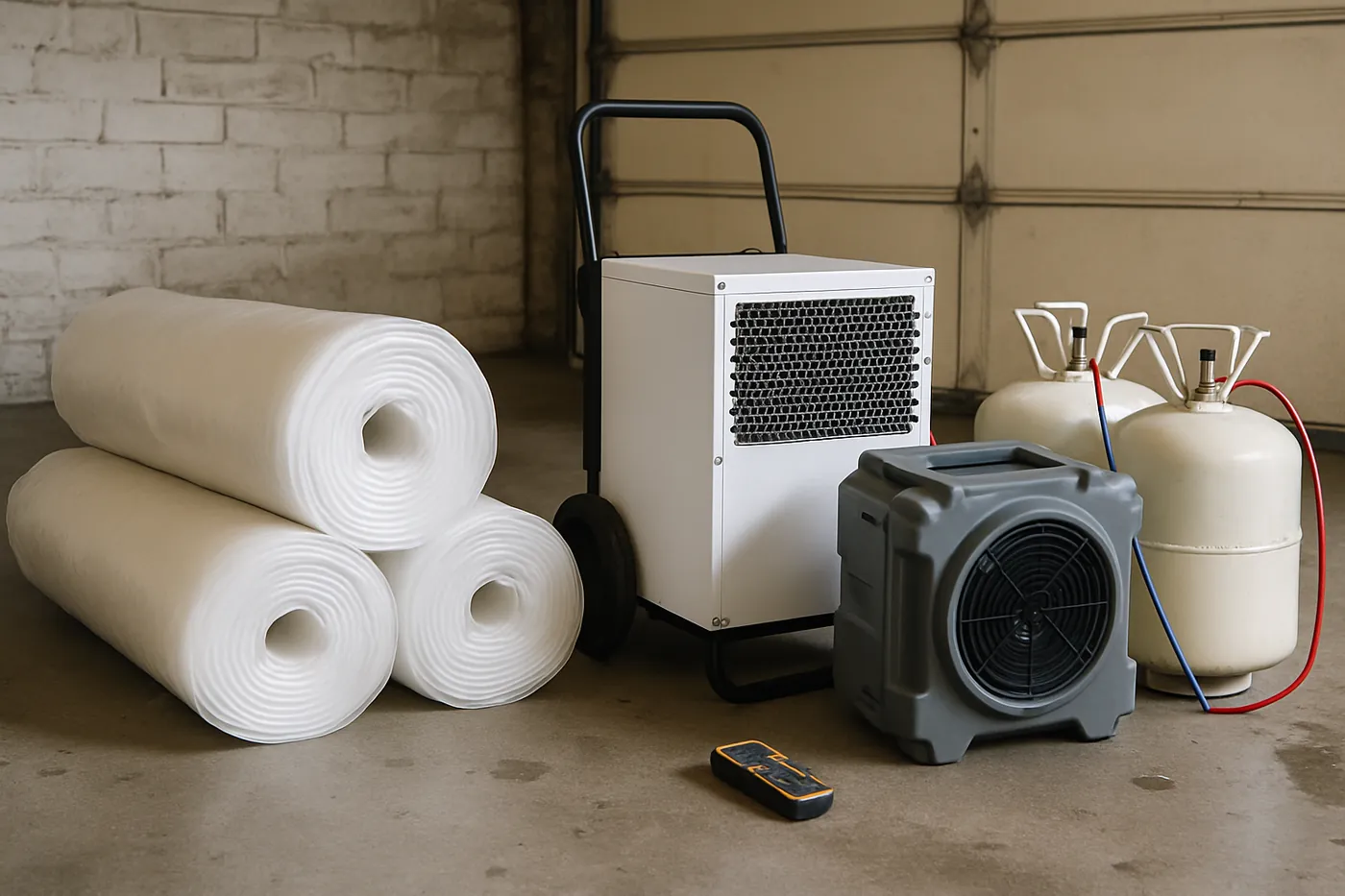
Clean, correct, or replace — by component
| Component | What goes wrong | What it takes |
|---|---|---|
| Evaporator coil | Biofilm on permanently wet fins | Cleaned in place |
| Drain pan & condensate line | Clog, rust, wrong slope — standing water | Cleared, corrected, or replaced |
| Sheet-metal ducts | Surface dust and growth | Cleaned |
| Flex duct with lined interior | Growth rooted into the liner | Replaced — liners don’t clean reliably |
| Return plenum | Unsealed, drawing crawl or attic air | Sealed — this is often the real cause |
The return-air problem specific to this market
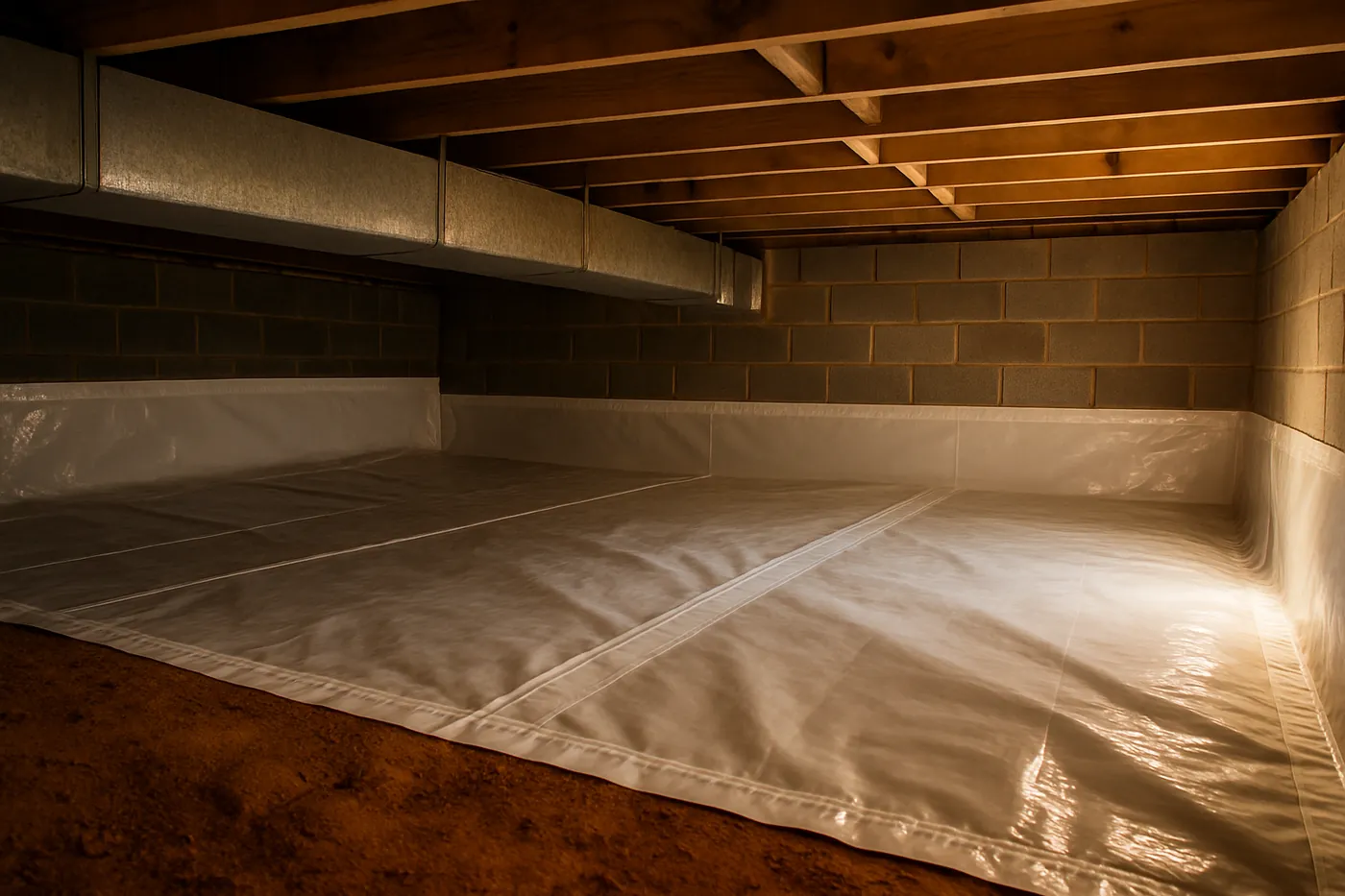
Here is where Huntsville houses give themselves away: an unsealed return plenum or a return duct running through a damp crawl space is not just moving air, it is drawing air — from the crawl, through every gap, into the system, and out into your bedrooms. We have cleaned systems that were spotless a month later and still smelled, because the source was never the ductwork; it was the crawl space the return was breathing through. Sealing the return and drying the crawl fixes what duct cleaning alone never will.
Keeping the air path clean afterward
A corrected system stays corrected on a schedule, not on hope. Change filters at the interval the equipment actually calls for, using the filter it was designed for — an over-restrictive filter starves airflow and makes coils sweat, which is the condition you just paid to end. Twice a year, pull the panel and look at the coil and pan: standing water or a slow drain is the earliest warning available. Keep the condensate line clear, run the fan on auto rather than on so the coil gets a chance to dry between cycles, and have the return checked for leaks if the musty smell ever comes back. Costs for every class of work are in the cost guide.
HVAC mold questions, straight answers
How does mold get into an AC system?
The system makes its own water. A cooling coil condenses moisture out of the air by design, and that water collects in a drain pan and leaves through a condensate line. When the line clogs or the pan slopes wrong, the water stays - warm, dark, and next to the dust the filter missed. In a Huntsville summer that combination is a growth chamber running most of the day.
Is the musty smell when the AC starts actually mold?
Often yes, and the timing is the clue. A smell that appears in the first seconds of a cycle and fades is air moving across a wet coil or through a contaminated return. A smell that is constant regardless of the system usually points elsewhere - a crawl space, most commonly in this market.
Can ductwork be cleaned, or does it have to be replaced?
Sheet metal cleans well. Flex duct with an interior liner that has grown mold is usually replaced, because the liner cannot be reliably cleaned without damaging it. Any contractor who recommends replacing every duct in the house before inspecting the coil and pan is selling a package, not a diagnosis.
Are the chemical treatments and sanitizers worth paying for?
Only as a finishing step after physical removal, never instead of it. Coating a dirty coil or fogging a contaminated duct leaves the growth under a chemical film, and EPA guidance is explicit that biocides are not a substitute for cleaning. Ask what is being physically removed, what is being replaced, and what the chemical is for.
What does HVAC mold cleanup cost in Huntsville?
Most jobs run $1,000-$4,000 depending on how much of the system is involved - coil and pan cleaning at the low end, partial duct replacement at the high end. If the crawl space the ductwork runs through is the actual source, that work prices separately and honestly should come first.
Get a free Huntsville mold inspection
Tell us what you’re seeing — a musty smell that gets stronger near the floor, growth on drywall or joists, a crawl space that never dries out, water standing beside the slab after a storm — and we’ll bring a moisture meter to the places that actually explain it. Buying a house? Say so; those inspections get priority scheduling.